Fresh fish is the thing in Puglia…in fact…all things from the sea. This area of Italy is so beautiful and so different from the north where we had our walking holiday, and also very different from Tuscany and Umbria. It is a region of white-washed buildings, slower time, fresh seafood and olive trees. We really love it here.
Our first day out on Sunday was an attempt to go to Polignano A Mare, a seaside town. However, when we arrived it was packed with people and we were unable to find any parking, even in the pay and display lots. So, we left and drove to Monopoli. We parked and walked into the old town area and found a fun restaurant and had our first Puglia lunch, which lasted about three hours. It was so fun.
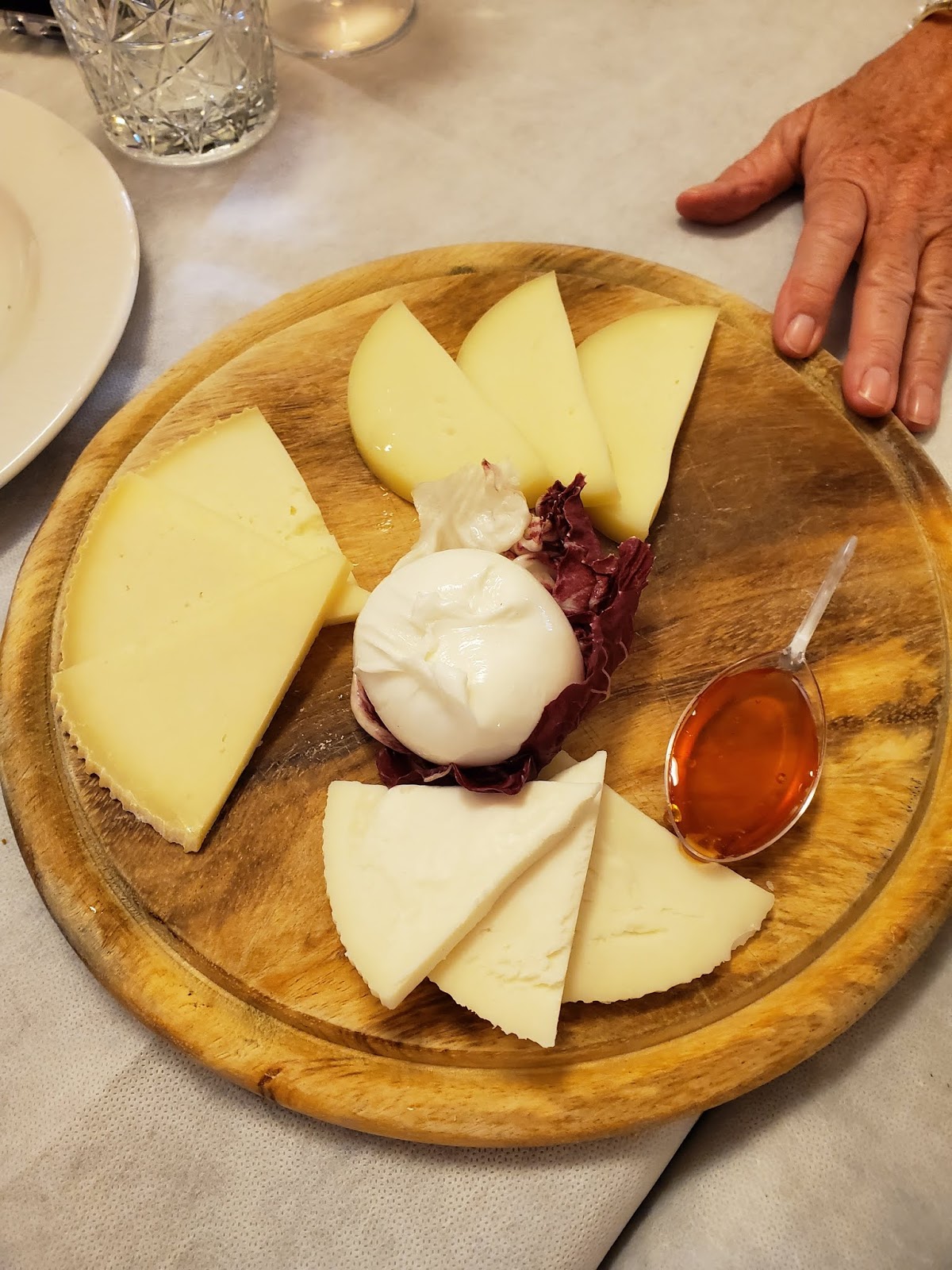
Four cheeses, including burrata (the white in the middle) and some local honey. This was part of an appetizer course.
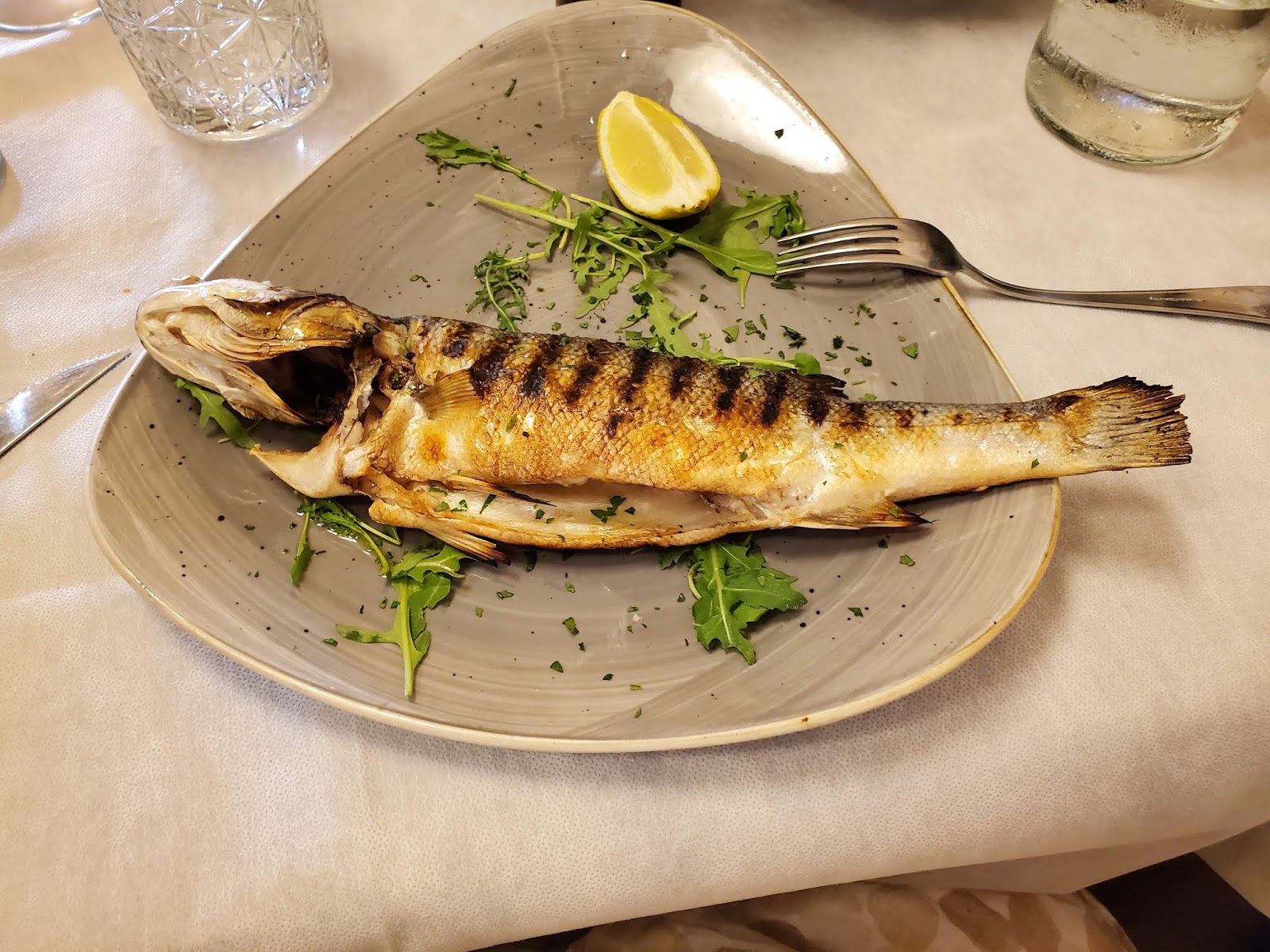
This was my lunch. Grilled sea bass. They offered to filet it for me, and I should have said yes. Before lunch was over, I had swallowed a bone and was fairly uncomfortable for a while.
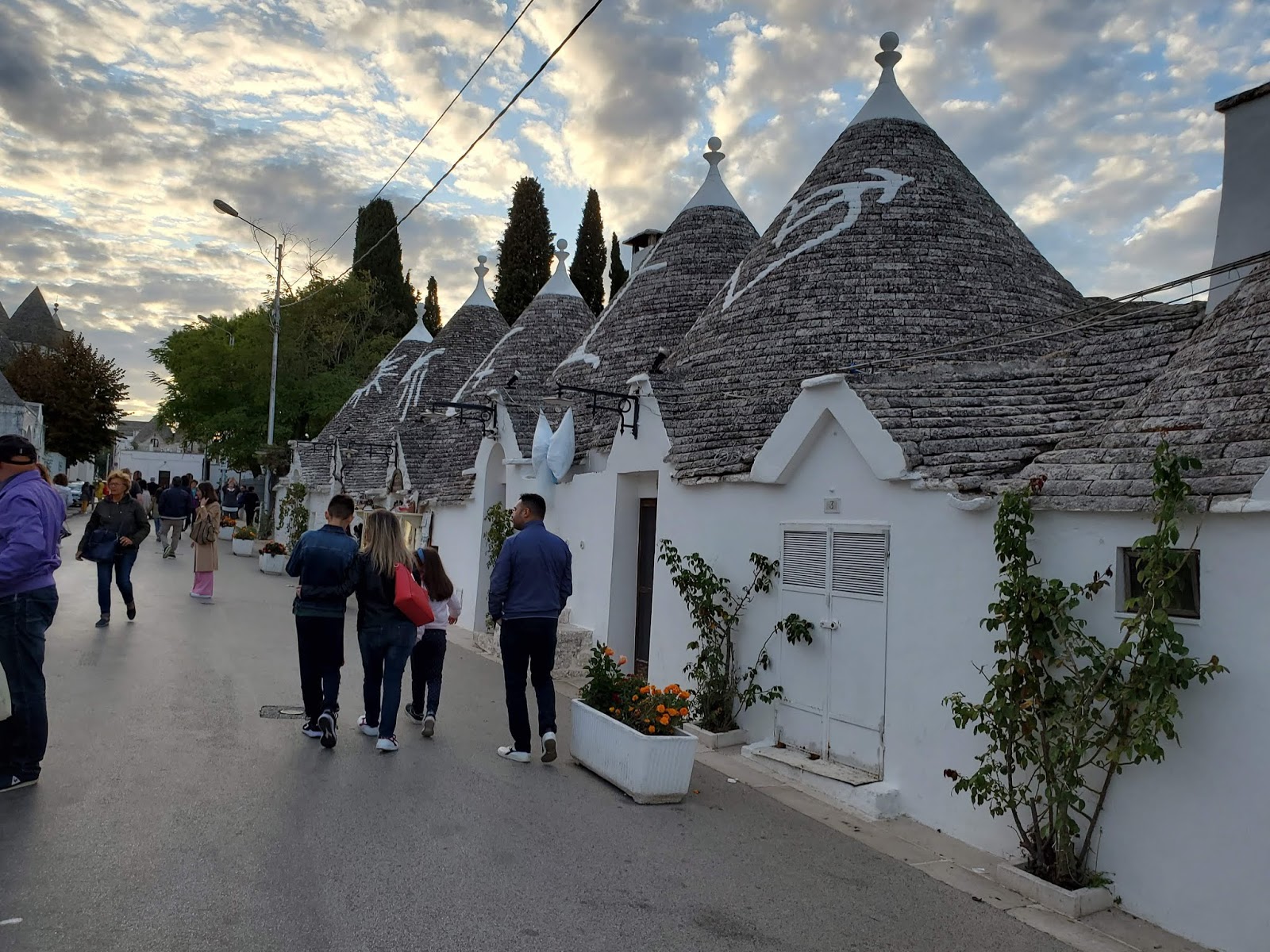
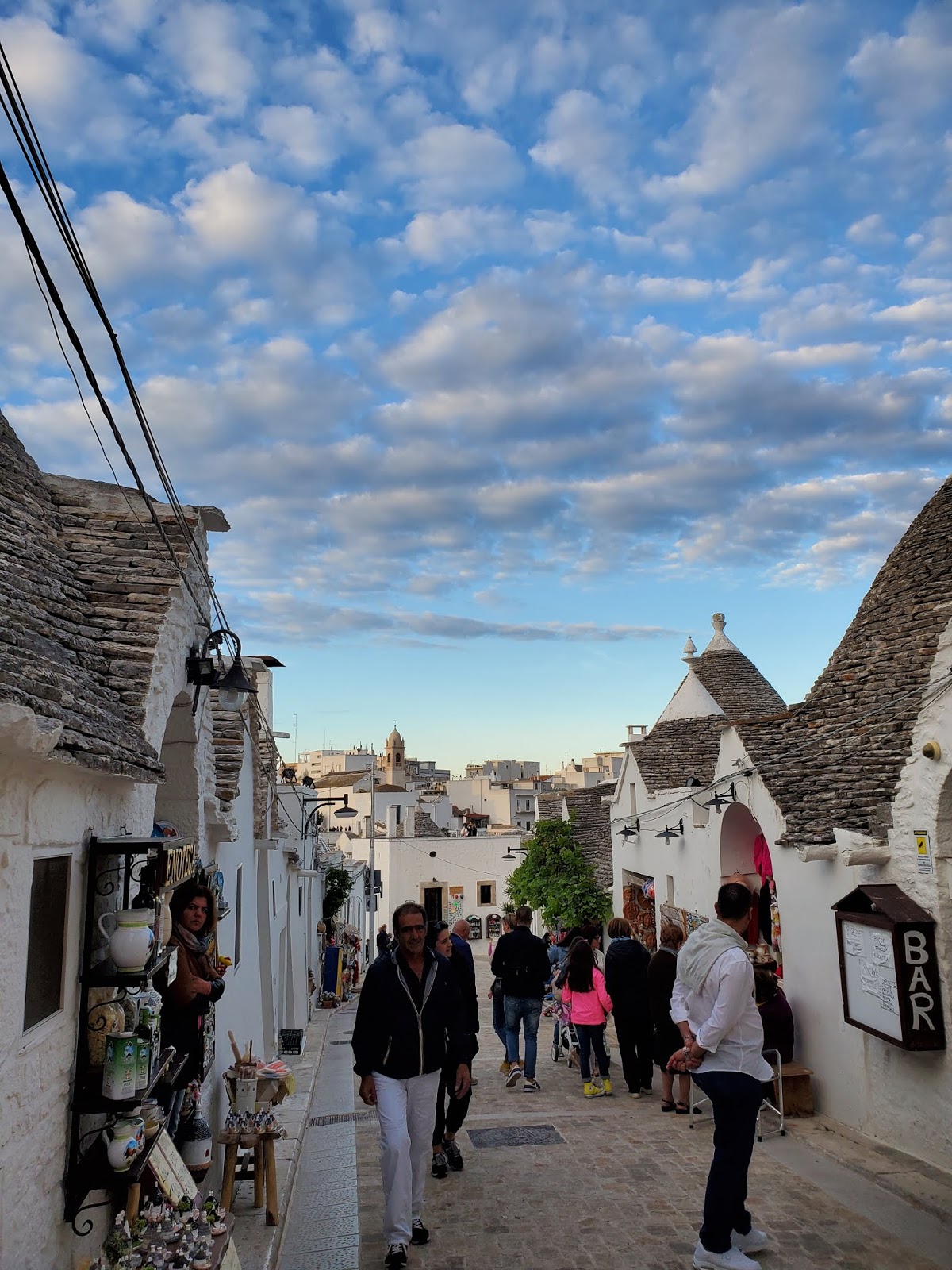
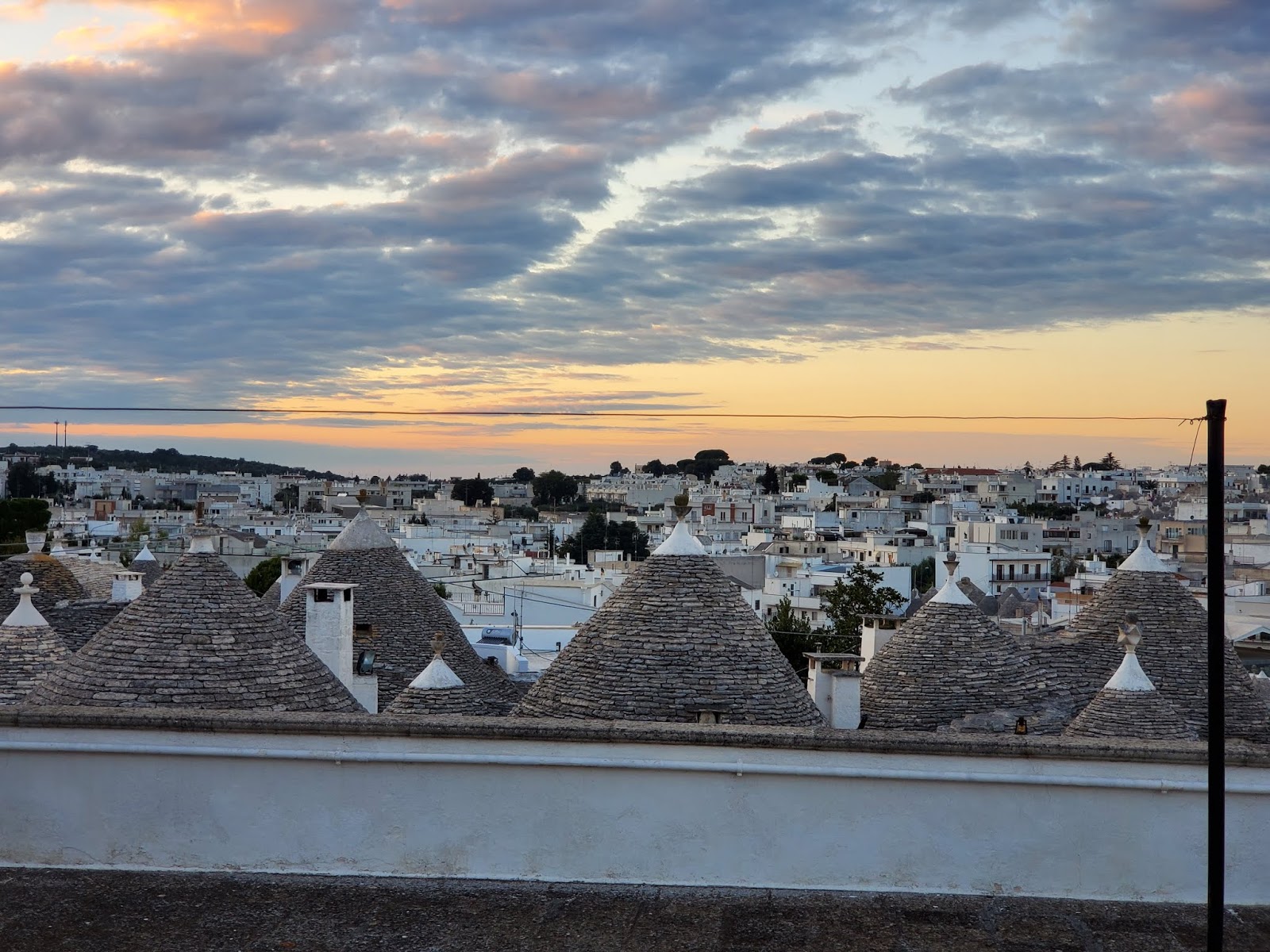
After lunch in Monopoli, we went to Alberobello, a town known for its Trulli structures.
From an informational website: These curious conical-roofed whitewashed structures, clustered in pockets of Puglia like wild fungi, are an icon of the region. In fact, this peaceful part of southern Italy is the only place they have ever existed. It is to view Puglia’s finest and largest concentration of trulli which brings people to Alberobello, a town of just over 10,000 people.
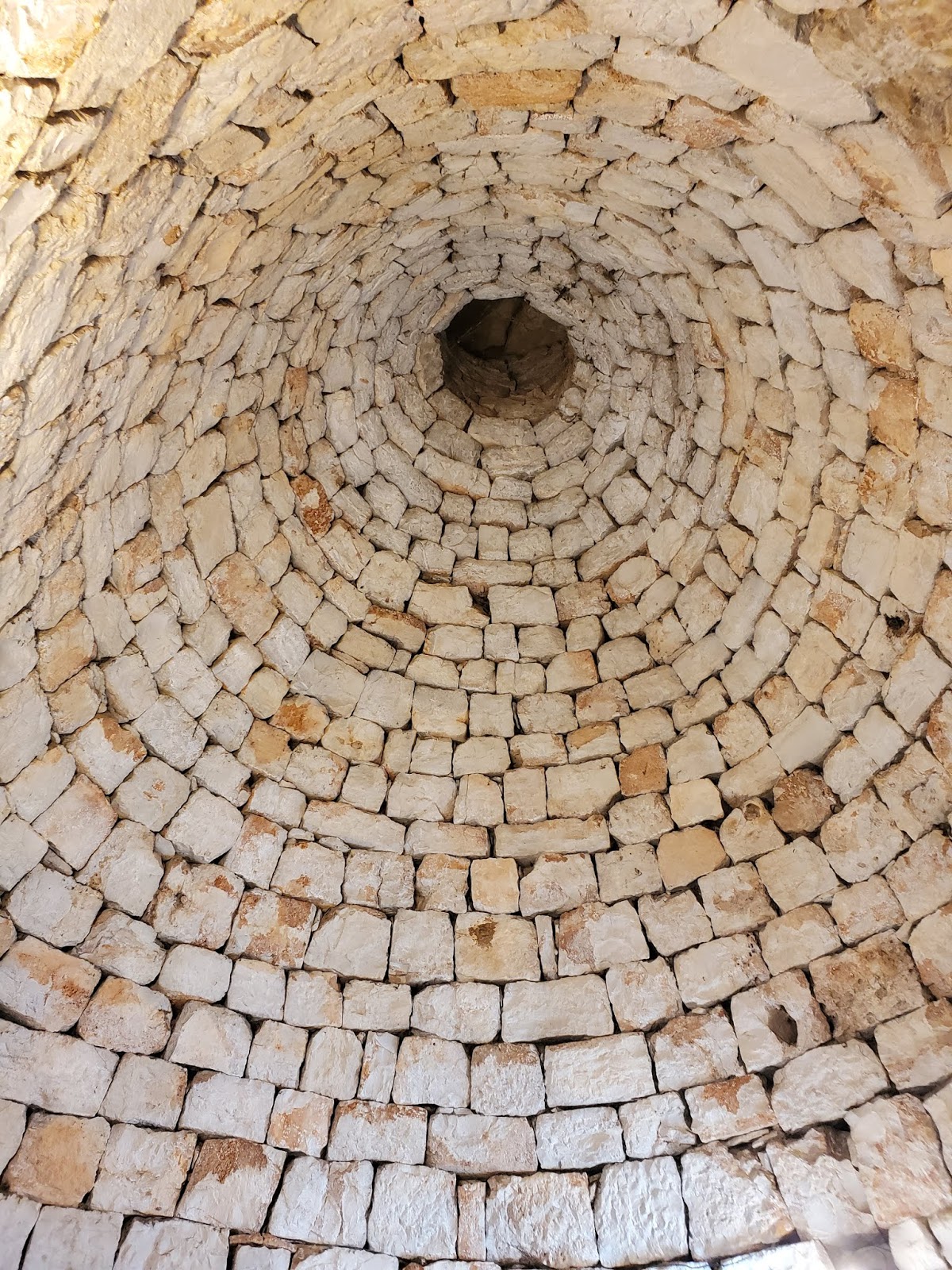
Inside looking up to the ceiling. They are all different on the interior.
On Monday, we had reservations for a tour of an olive farm. We had a tough time finding it and ended up missing the start of the tour. But, the people were so kind that they made it work out for us.
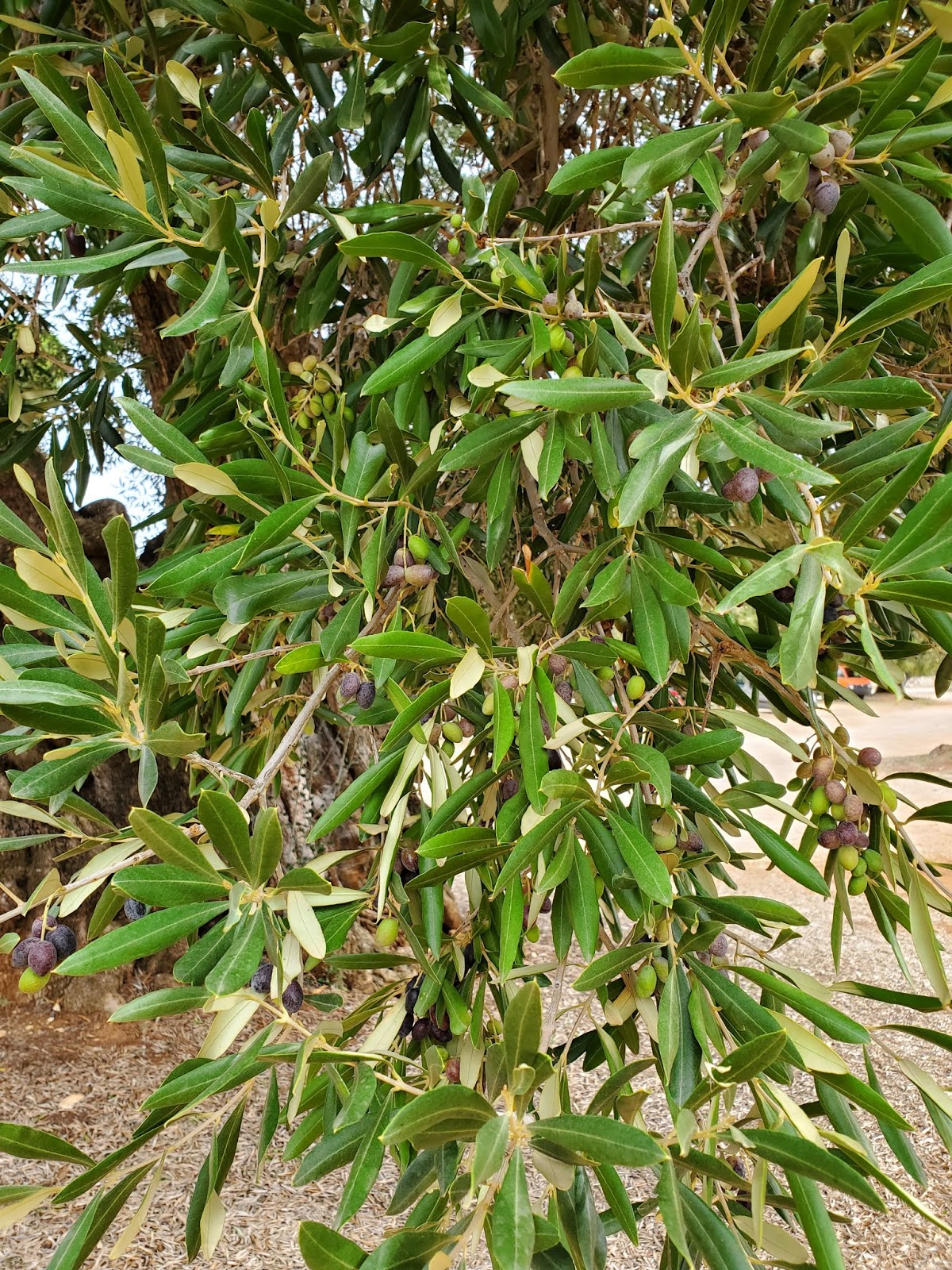
What makes this place special is that they have preserved the history. Visitors learn about the history of olive oil, first used as lamp oil, and how it became something that people consumed, and its value. Some parts of the groves here are two thousand years old, and the oldest tree on the site is 3,000 years old and is still producing enough olives to make a liter of oil.
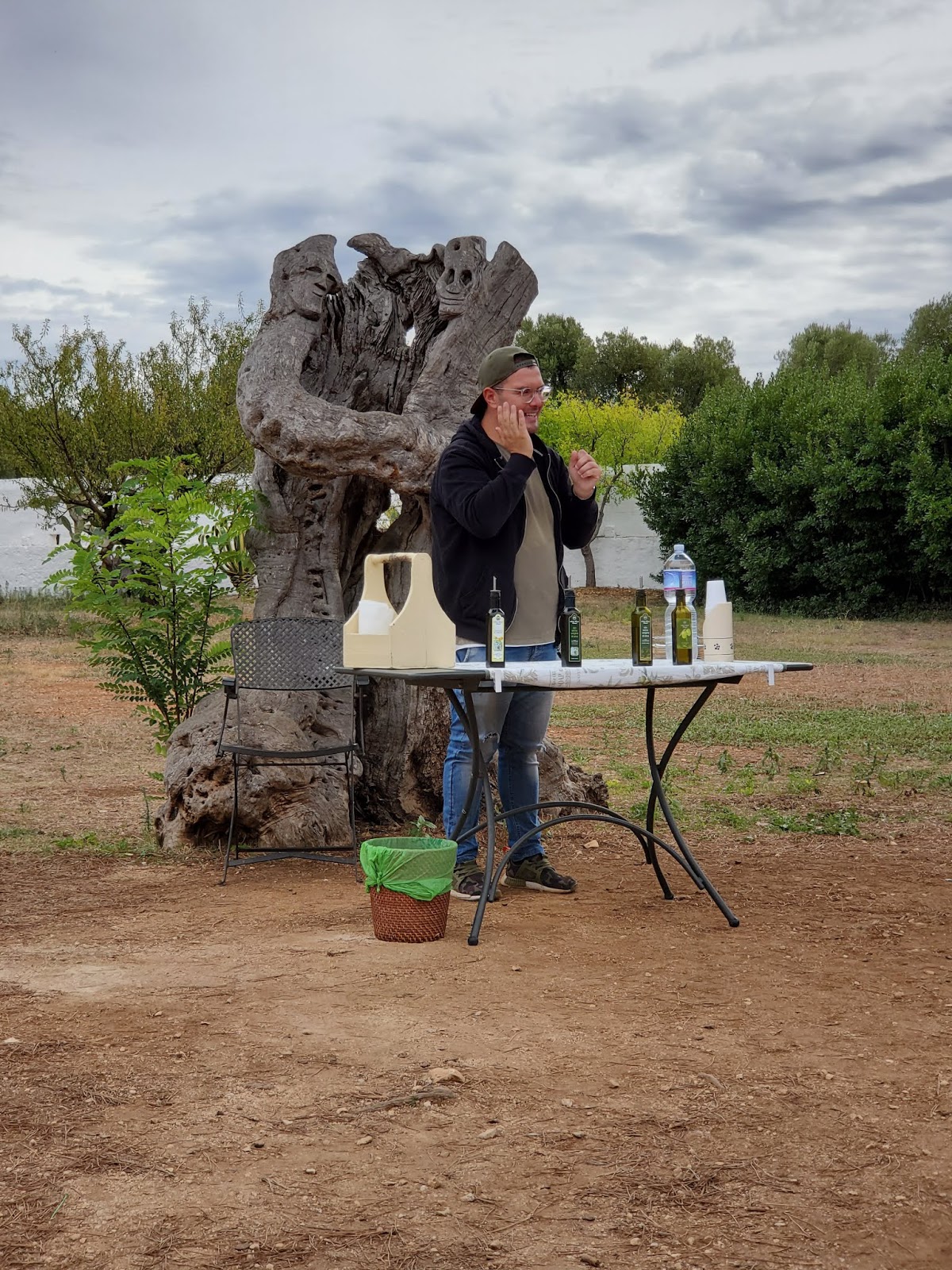
We also had a tasting, the oil was delicious. I can’t say enough about this place. It was an amazing and memorable experience.
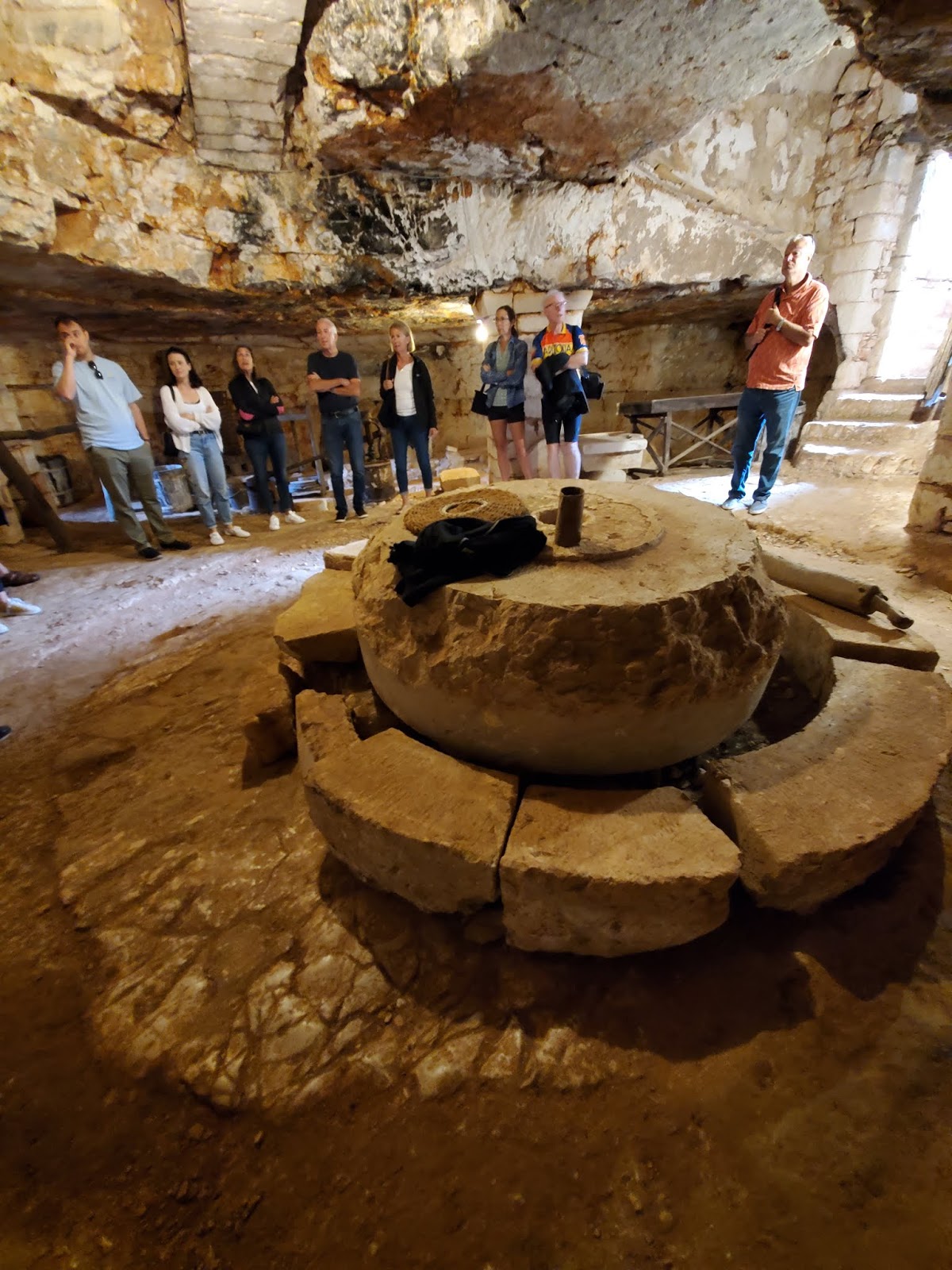
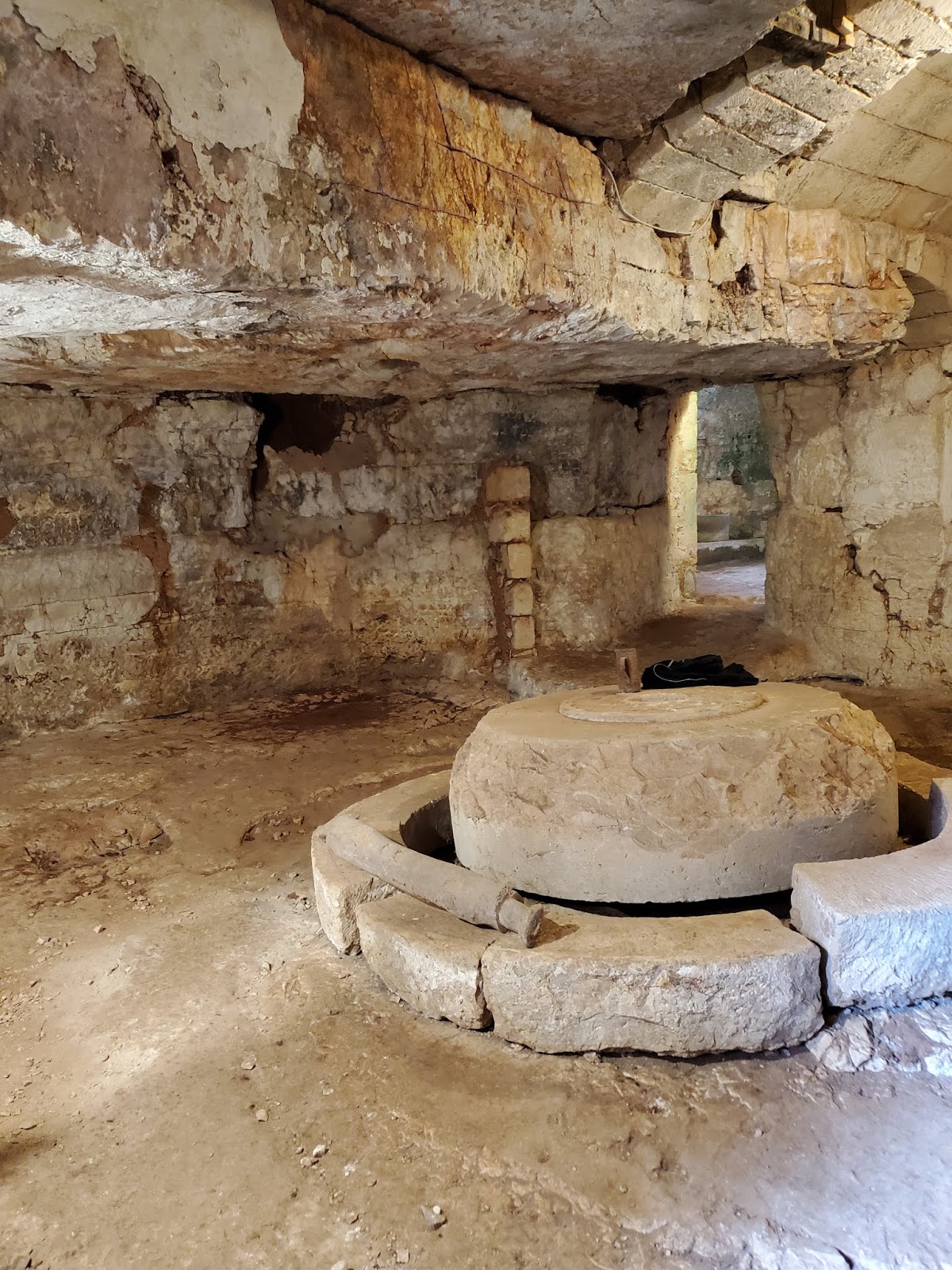
This is the original olive mill. In ancient times, that stone stood vertically and donkeys moved it around to crush the olives to create oil for burning, not for consuming.
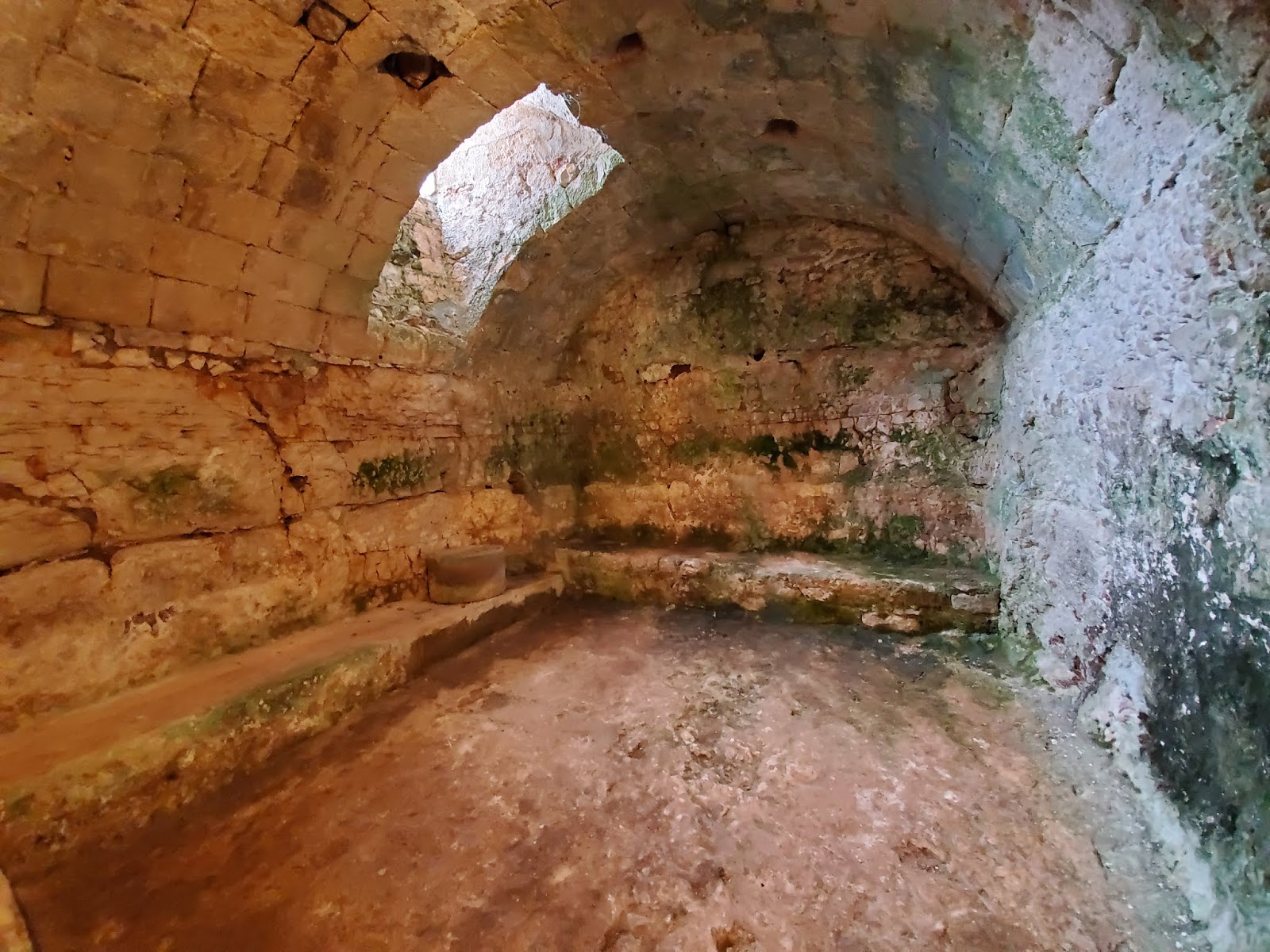
The storage room for the olives, thousands of years old.
This was a later milling area process, which was ceased in the 1960s. Today, the process is done in a sterile environment. The picture in the background is an owner whose descendants are still running the business. Oxygen is the enemy of olive oil.
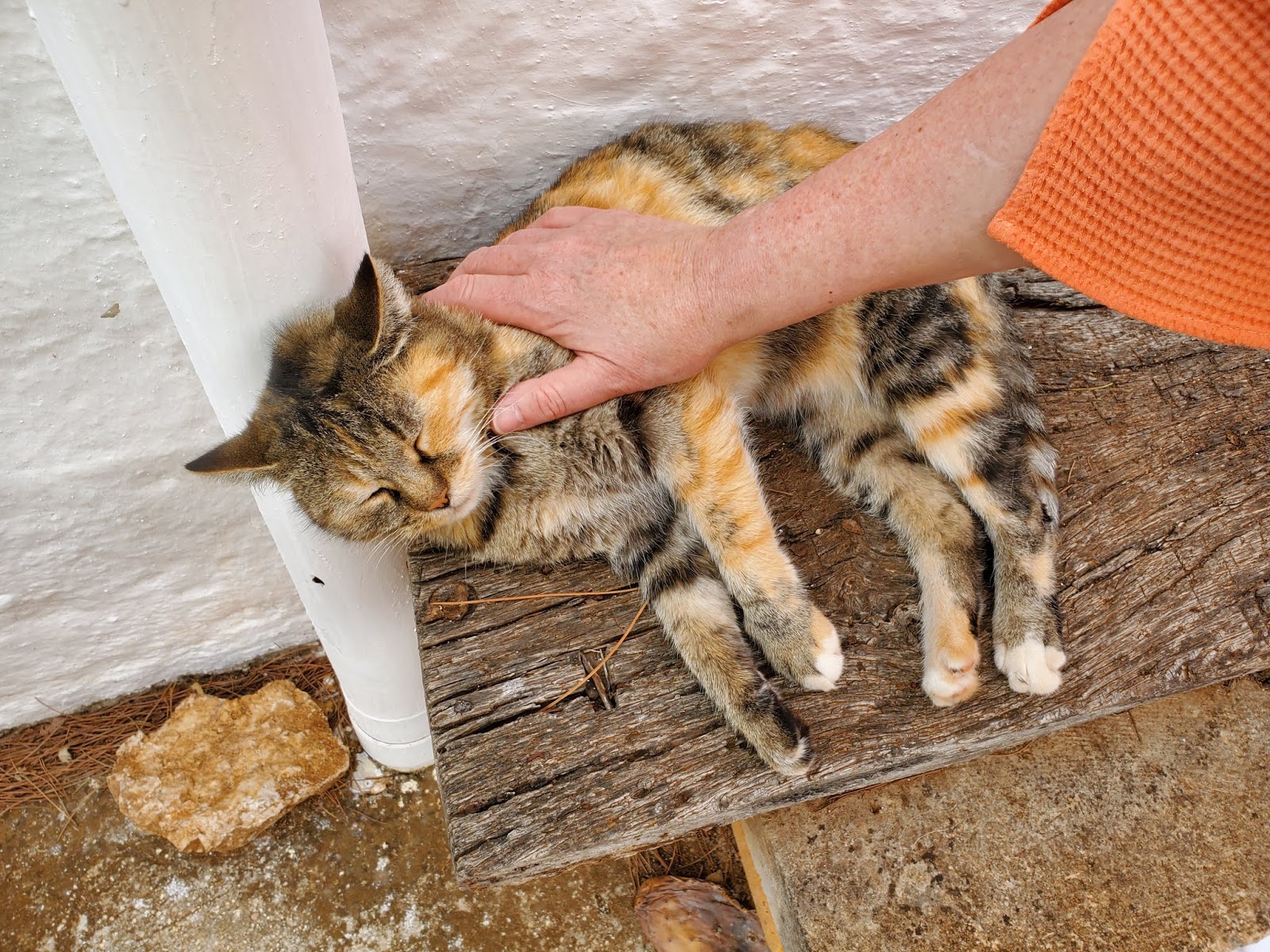
Cats are everywhere here, and all seem to be well cared for, thankfully. This one was especially sweet.
This was our favorite oil of the four we tasted and we bought some to bring back to the house. We’re also going to order some to be shipped back to the states.
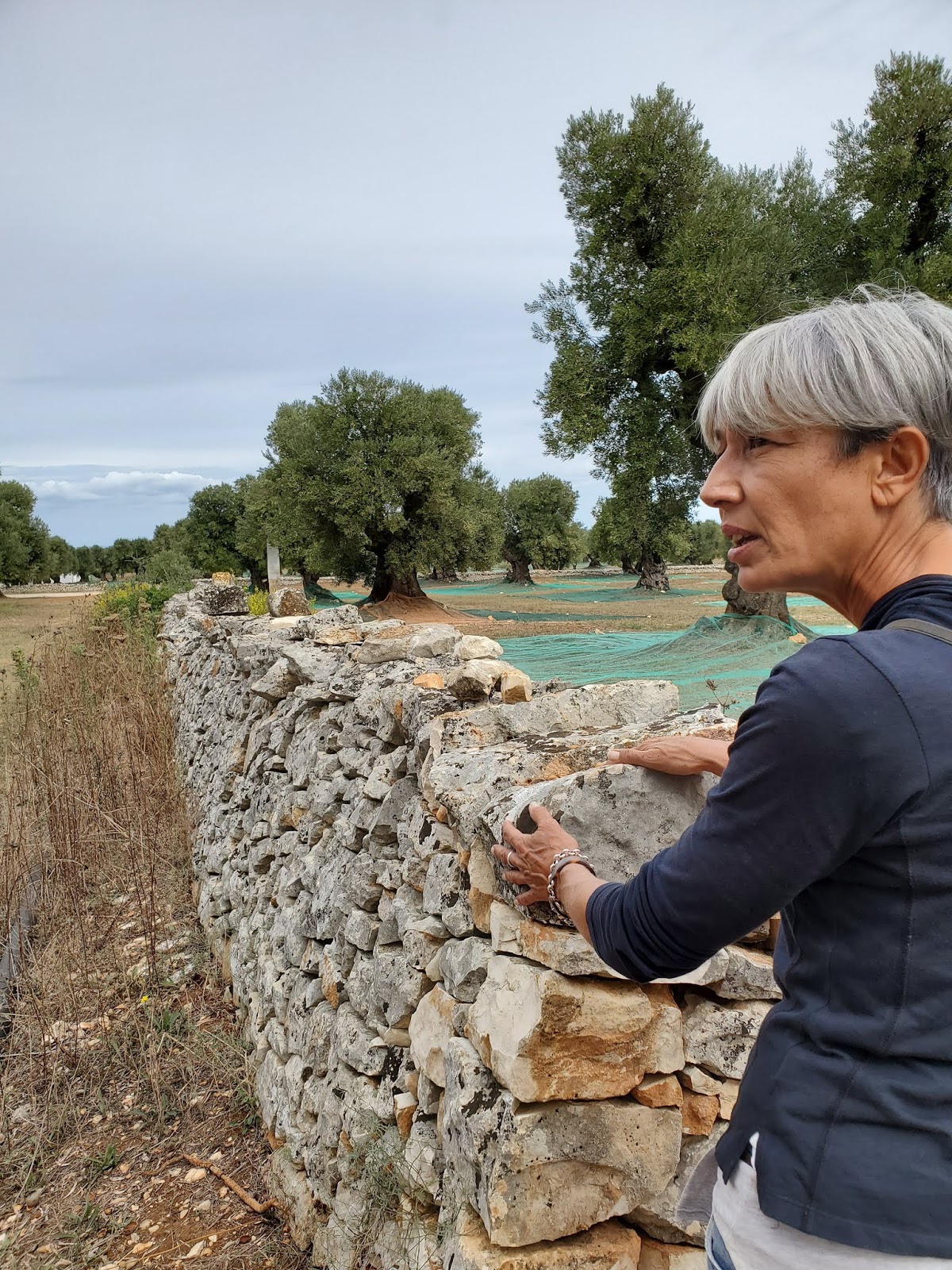
Our tour guide for the olive grove. She was fabulous.
This grove was planted in Roman times and the wall was built then as well., 2000 years ago
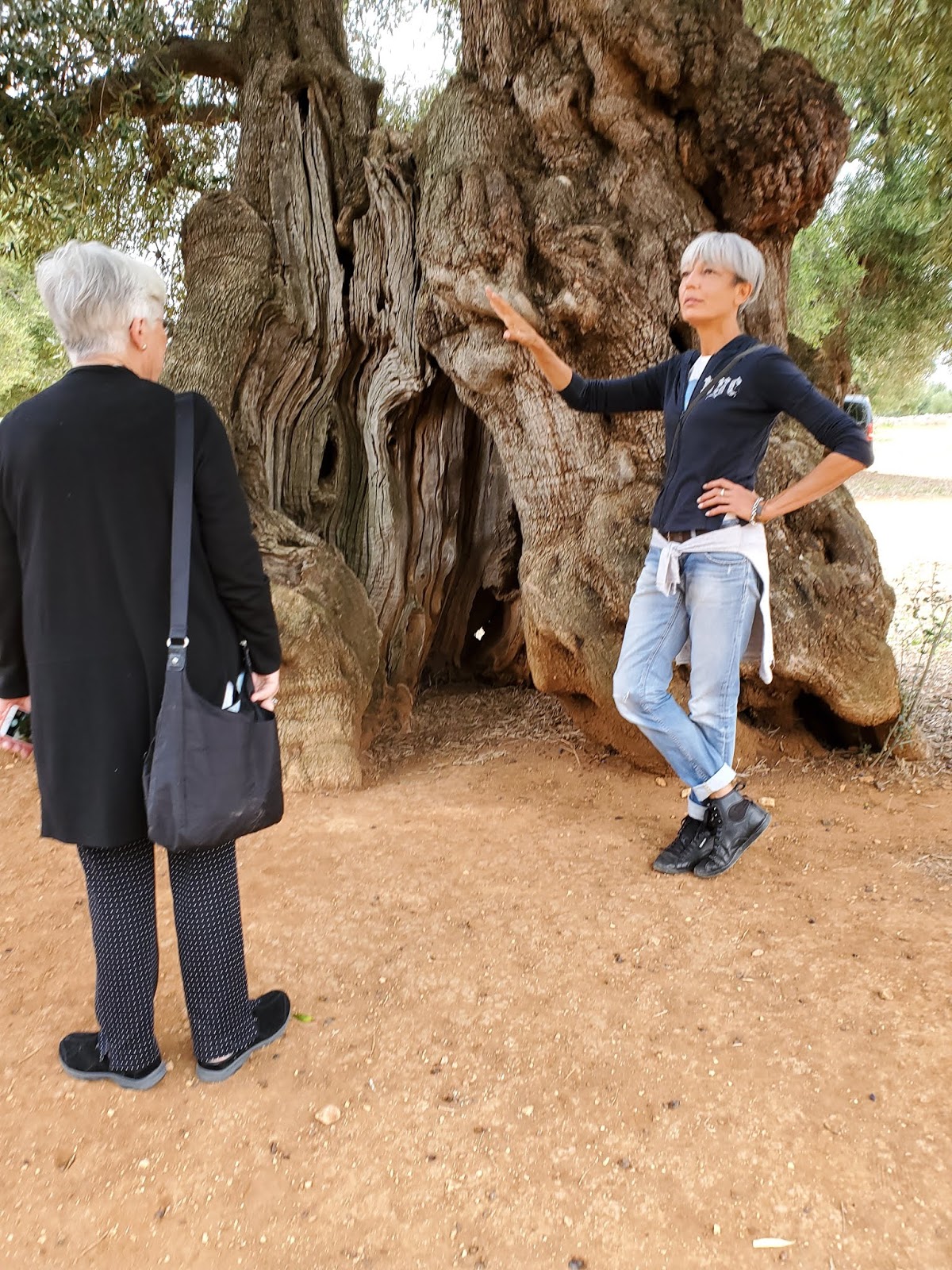
This is the oldest tree on the property. It is 3,000 years old. The stones holding up the trunk have been there 150 years. This tree still produces enough olives to make one liter of oil each year.
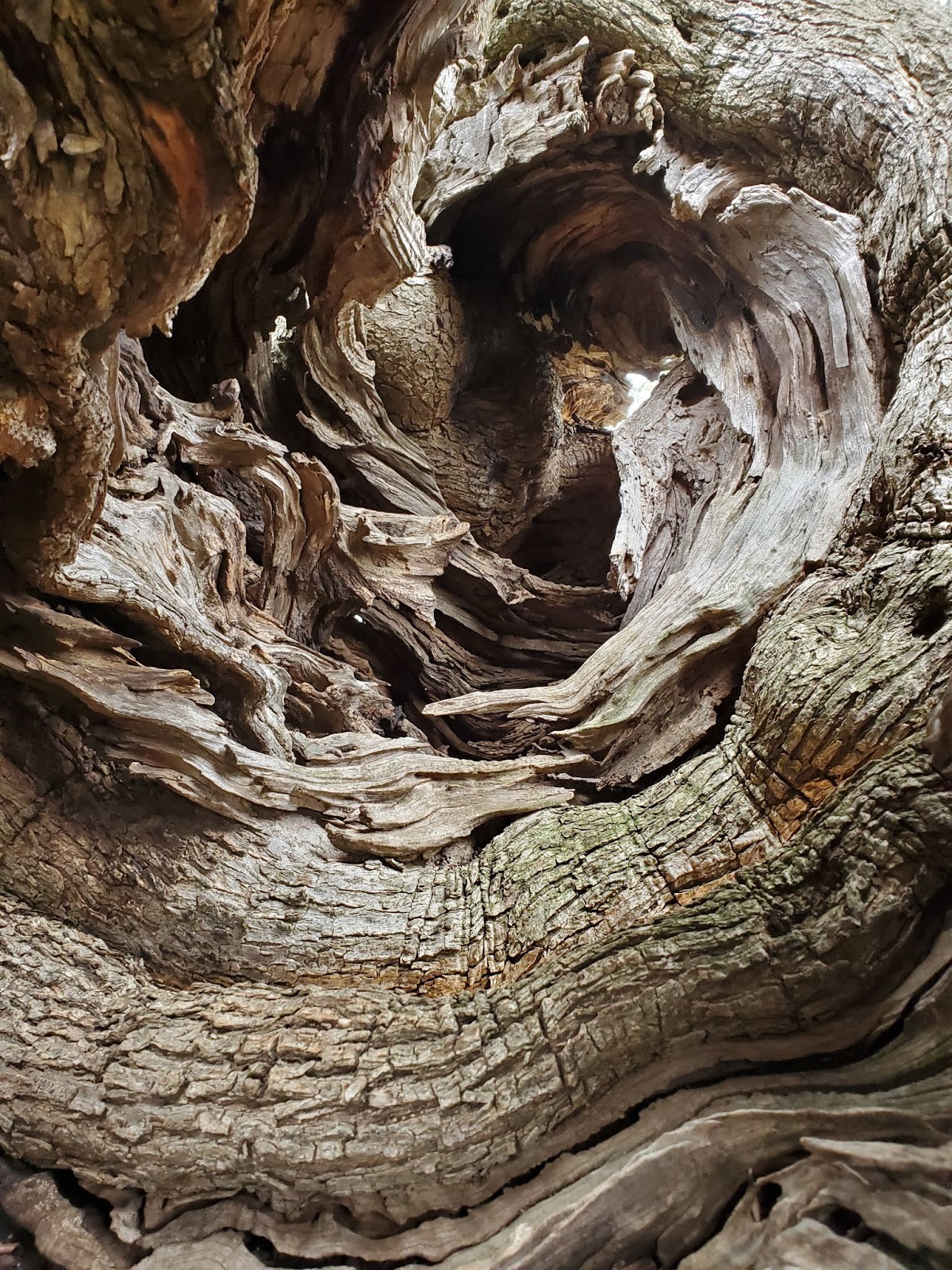
This is a cool picture Betsy took looking inside the twisted trunk of the oldest tree.
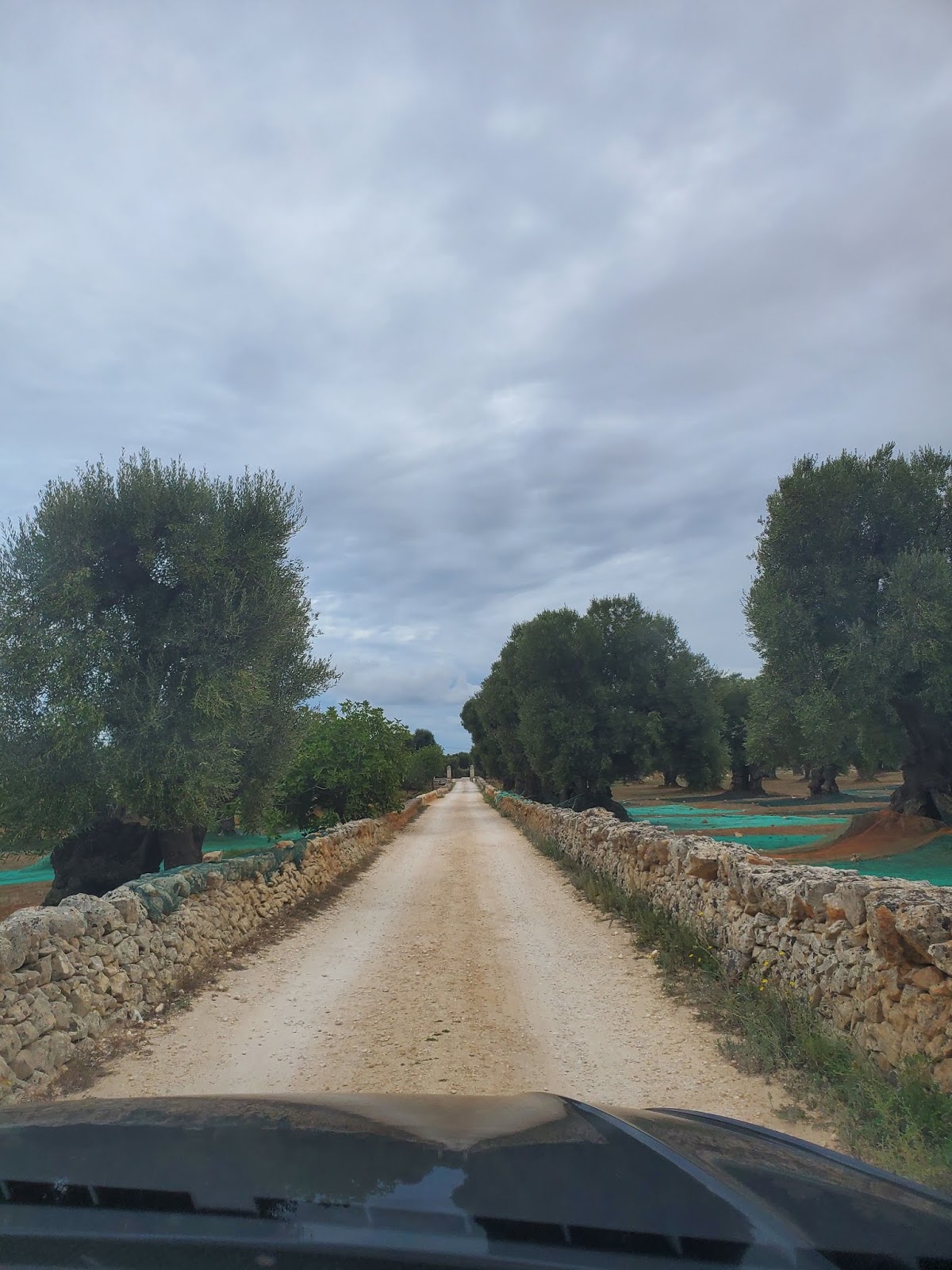
Driving out of the olive oil farm.
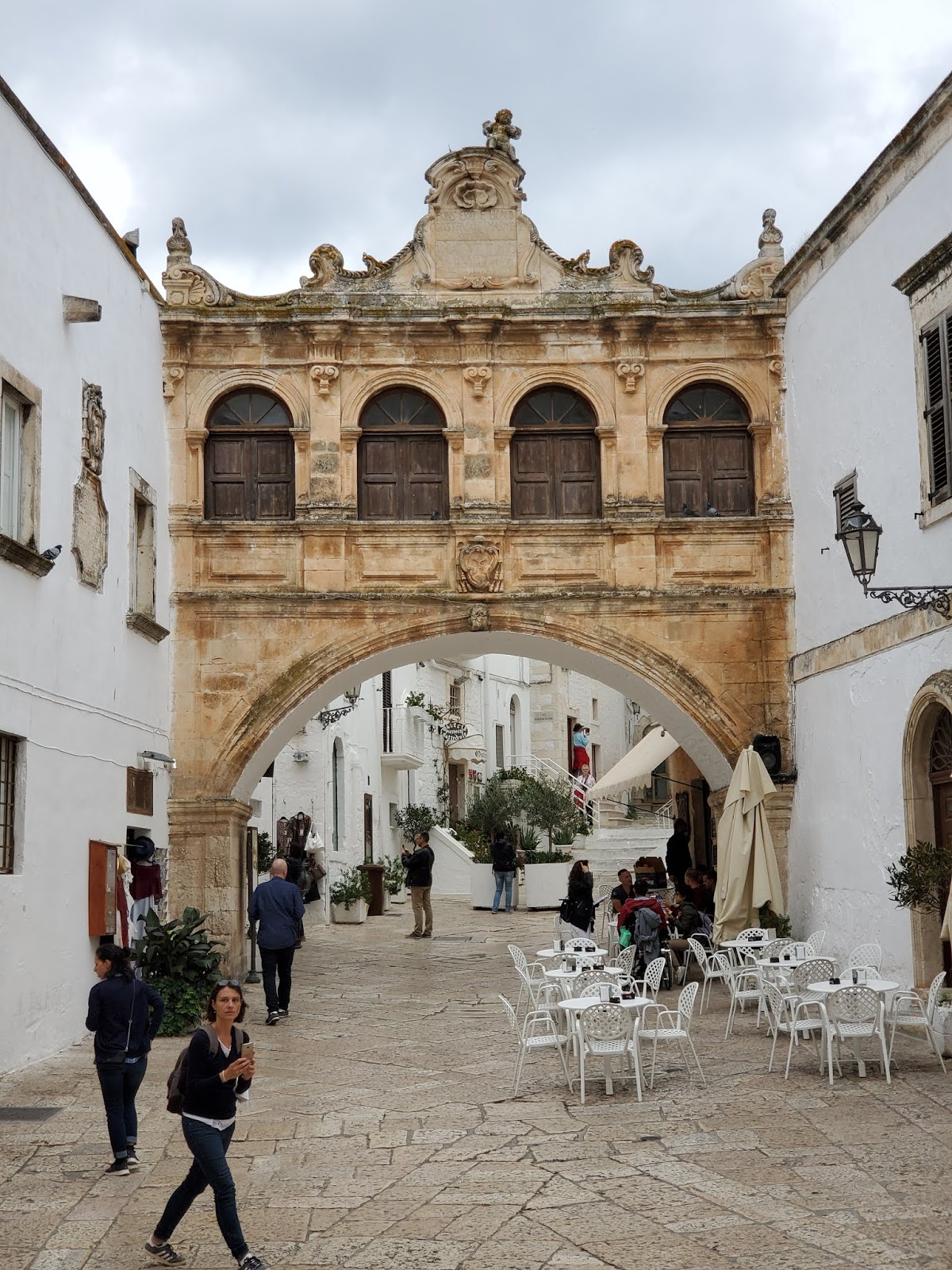
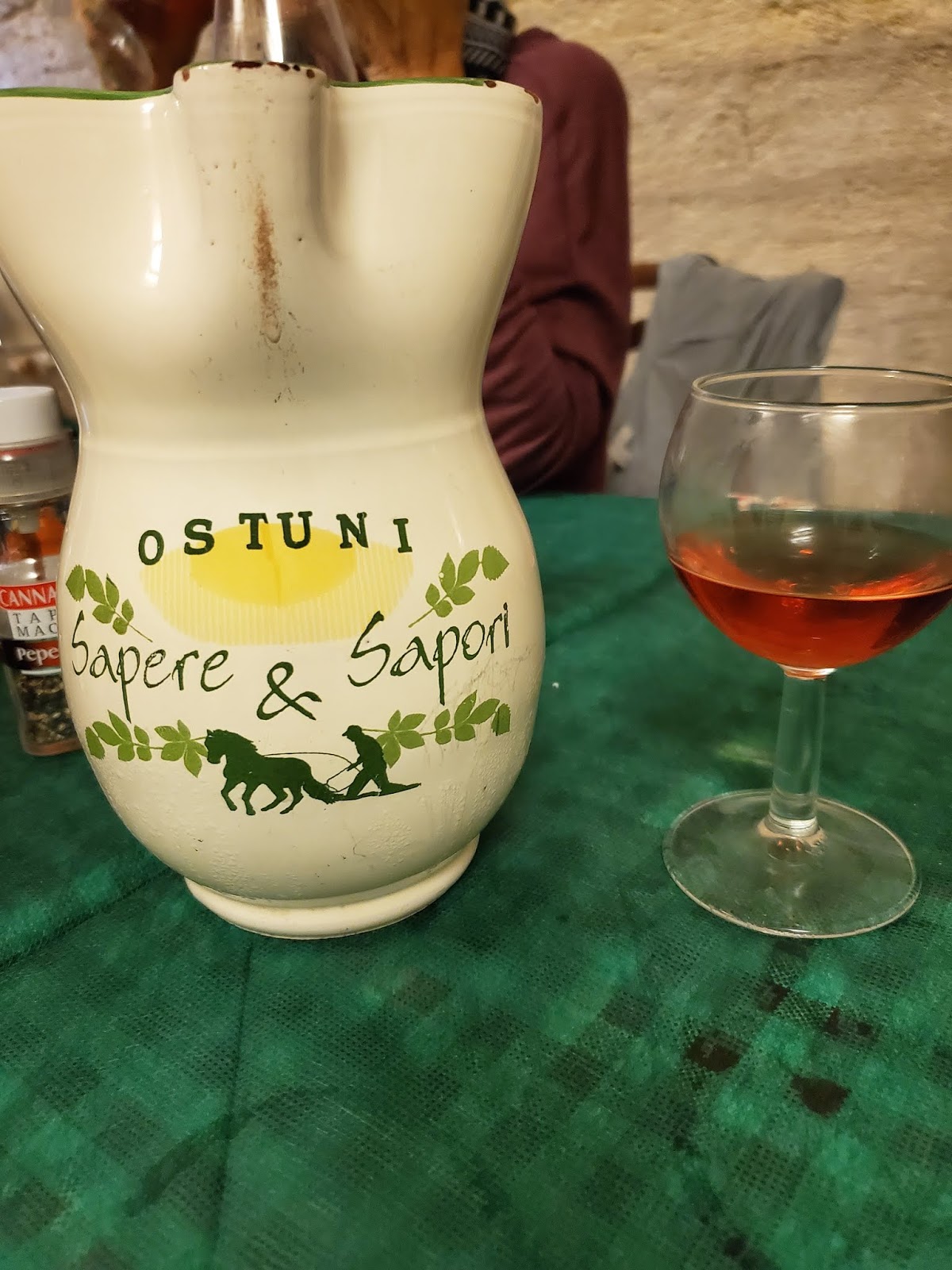
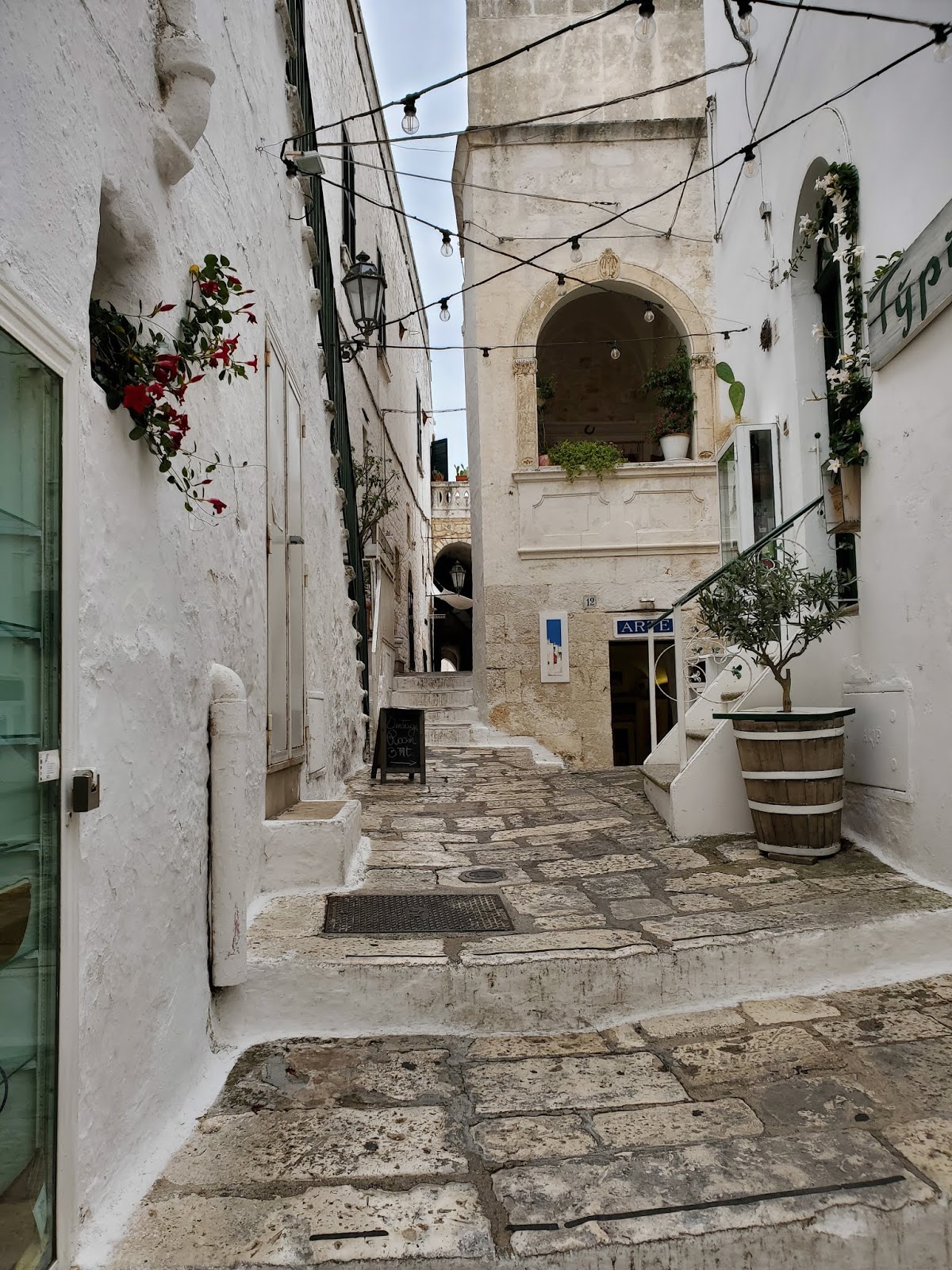
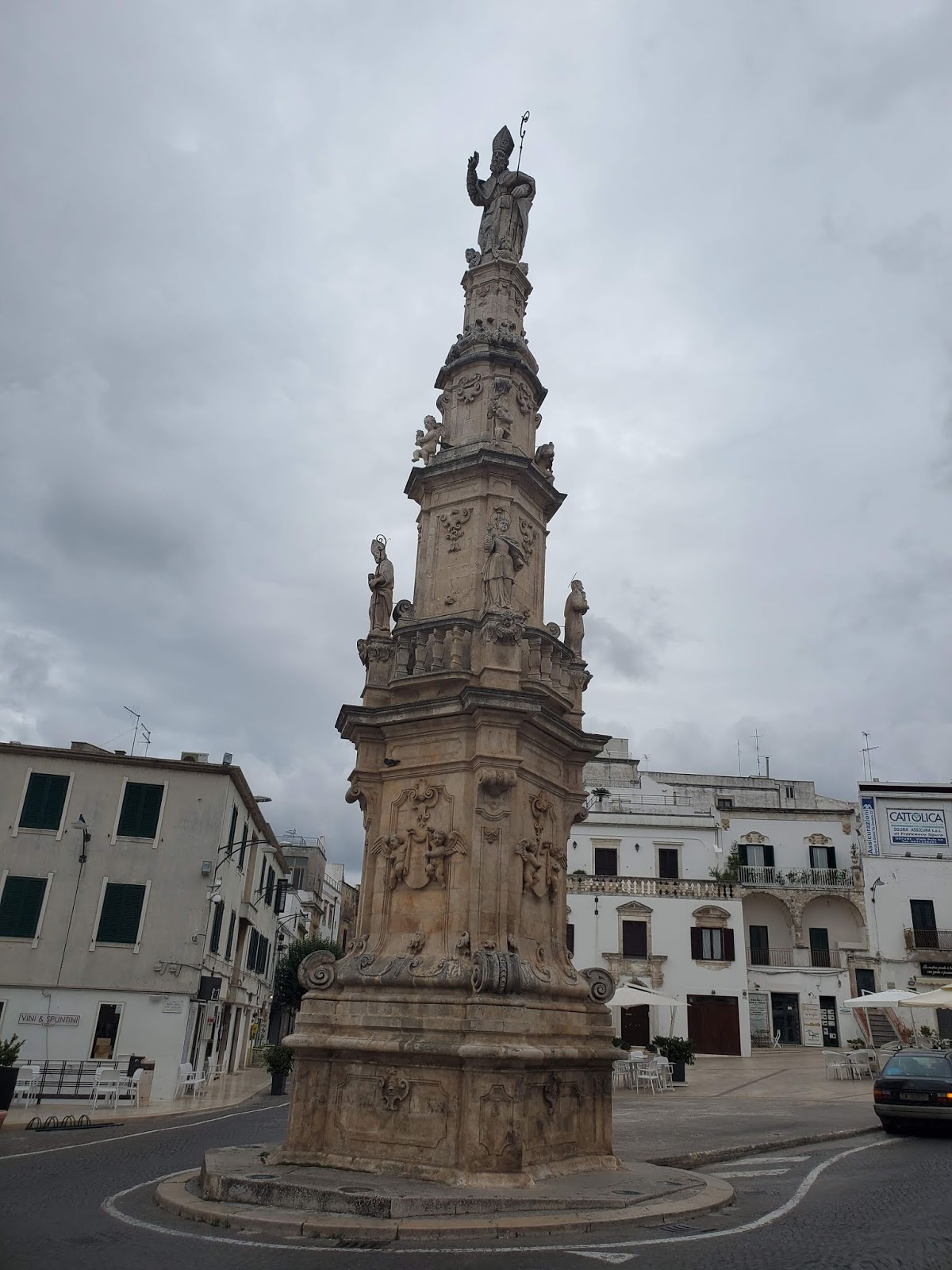
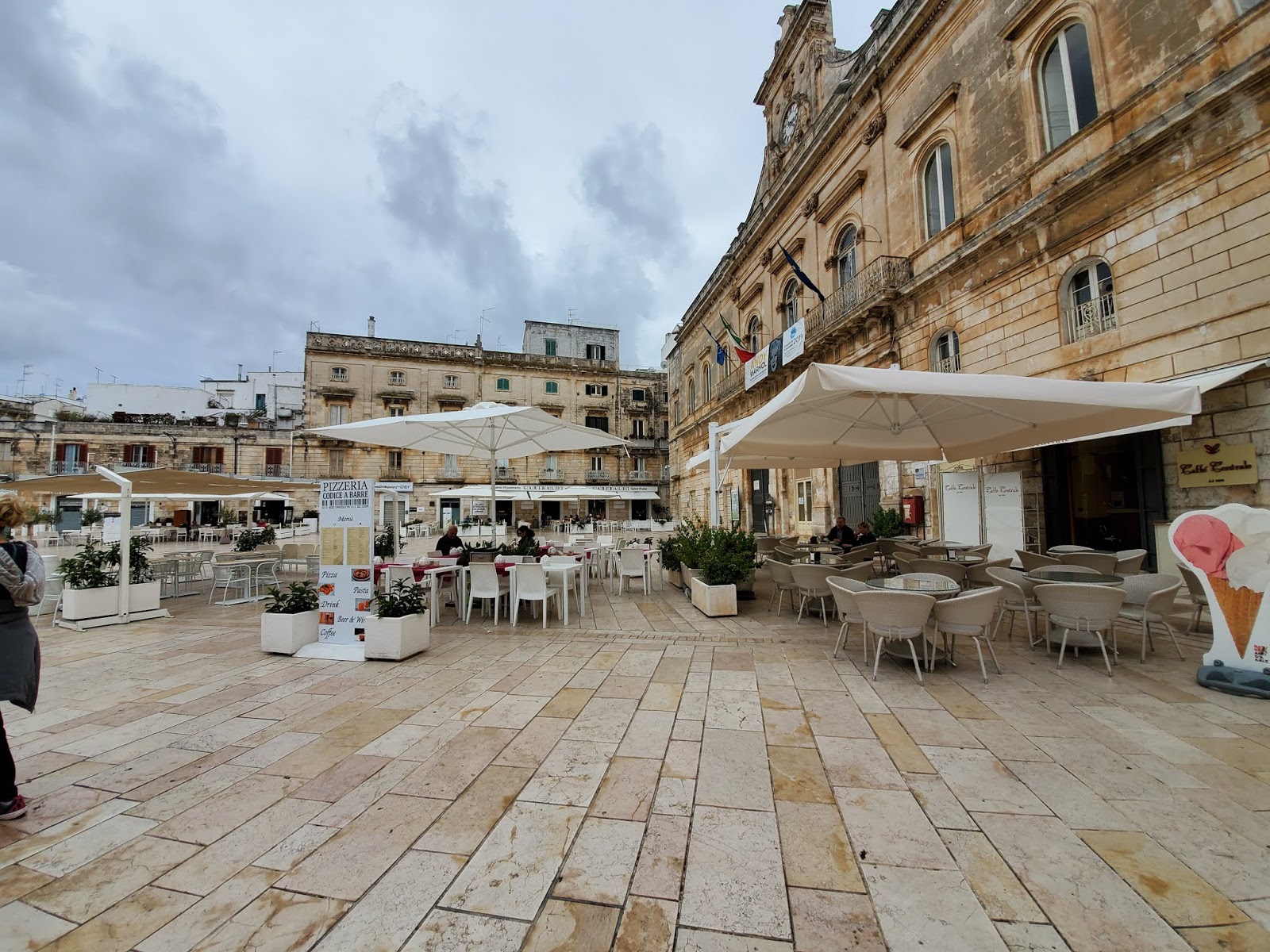
After we left the olive oil farm, we drove to Ostuni, also known as the white city. It was so beautiful. We had a great lunch there.
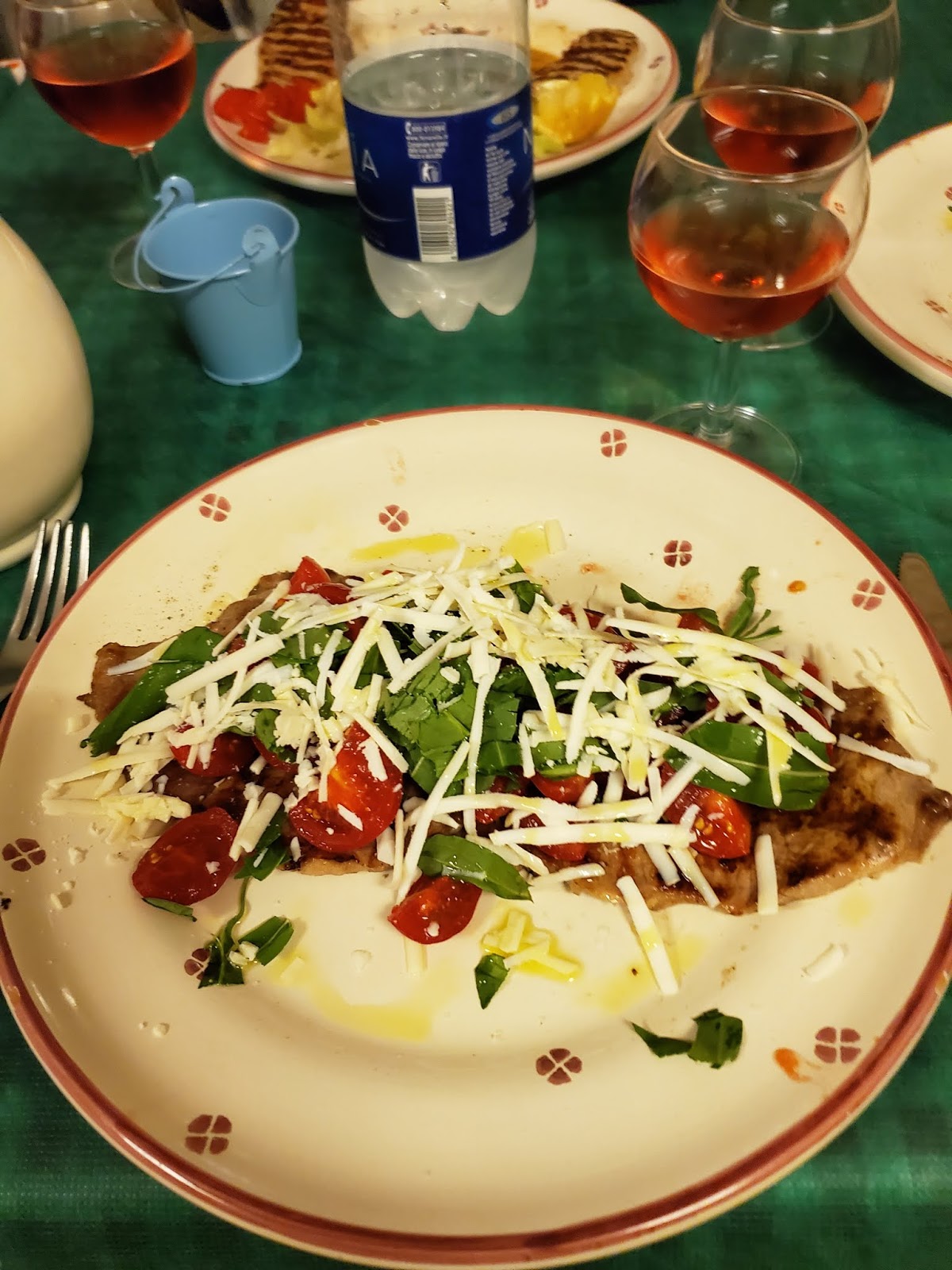
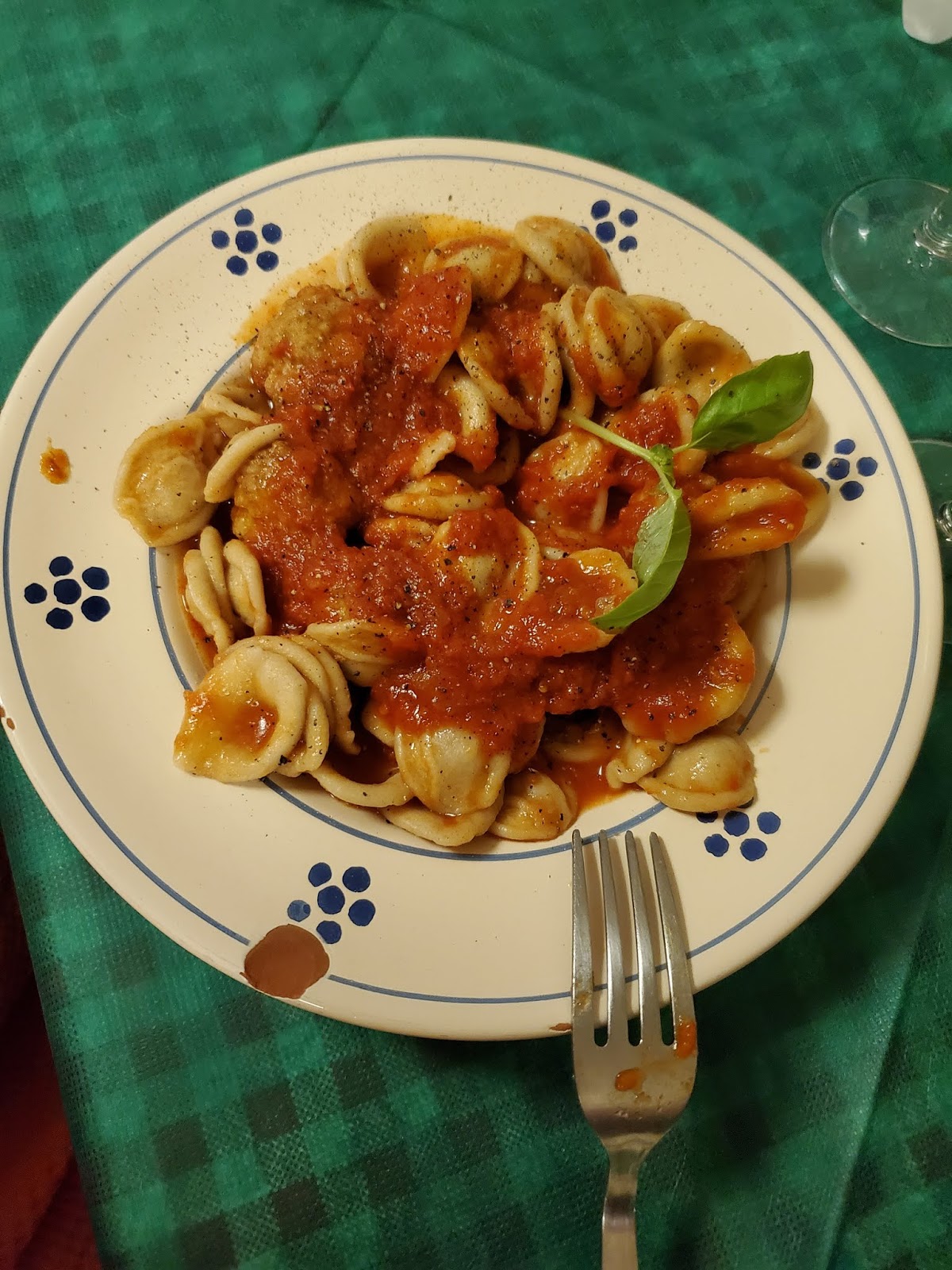
Tonight we cooked at home and planned to get into bed early. We have a big day tomorrow going to Altamura and then Matera.














 Kim & Betsy